Introduction
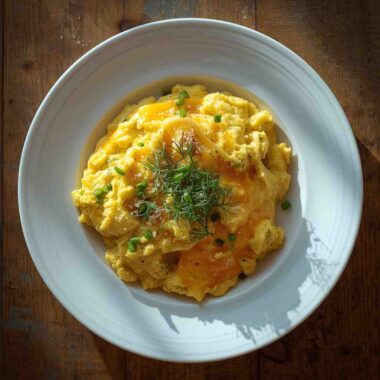
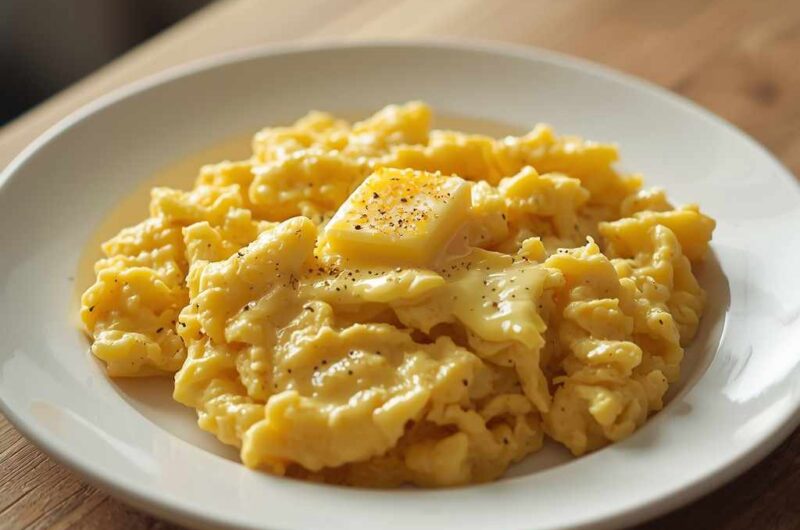
Classic Scrambled Eggs with Milk and Butter is one of the simplest yet most satisfying breakfast dishes you can make. Fluffy eggs enriched with butter and a touch of milk create a creamy texture and rich flavor that elevates a humble morning meal into something comforting and nourishing.
This dish is perfect for a quick weekday breakfast, leisurely weekend brunch, or even a simple dinner. With its soft texture, delicate flavor, and warm, golden color, scrambled eggs are a true classic of home cooking.
Why I Love This Recipe
I love this recipe because it’s quick, versatile, and comforting. The combination of butter and milk gives the eggs a silky, creamy texture, making them feel indulgent without any complex ingredients.
It’s also a dish that never fails — even novice cooks can create a perfectly fluffy, tender scramble. It’s easy to pair with toast, vegetables, bacon, or avocado for a complete meal, making it a go-to breakfast favorite.
Why It’s a Must-Try Dish
- Simple and Classic: A timeless breakfast that everyone loves.
- Quick to Make: Ready in just 10 minutes.
- Versatile: Add herbs, cheese, or vegetables to customize.
- Rich and Creamy: Butter and milk create a perfect texture.
- Kid-Friendly: Soft, mild, and easy to eat.
Preparation and Cooking Time
- Preparation Time: 2 minutes
- Cooking Time: 5–6 minutes
- Total Time: 8 minutes
Servings and Nutritional Info
- Servings: 2
- Calories: ~210 kcal per serving
Course and Cuisine
- Course: Breakfast / Brunch
- Cuisine: American / Classic Breakfast
Ingredients
- 4 large eggs
- ¼ cup milk (whole or 2%)
- 2 tablespoons unsalted butter
- Salt, to taste
- Black pepper, to taste
- Optional: fresh herbs (chives, parsley) or shredded cheese
Cooking Directions
Step 1: Prepare the Eggs
- Crack the eggs into a medium bowl.
- Add milk, a pinch of salt, and black pepper.
- Whisk until the mixture is smooth and slightly frothy.
Step 2: Heat the Pan
- Place a non-stick skillet over medium-low heat.
- Add butter and allow it to melt, coating the pan evenly.
Step 3: Cook the Eggs
- Pour the egg mixture into the skillet.
- Let it sit undisturbed for 20–30 seconds.
- Using a spatula, gently push eggs from the edges toward the center, forming soft curds.
- Continue to cook, stirring occasionally, until the eggs are mostly set but still slightly creamy. Remove from heat — they will continue to cook from residual heat.
Step-by-Step Preparation Summary
- Whisk eggs, milk, salt, and pepper in a bowl.
- Melt butter in a non-stick skillet over medium-low heat.
- Pour eggs into skillet and let them set slightly.
- Gently stir and fold eggs until soft curds form.
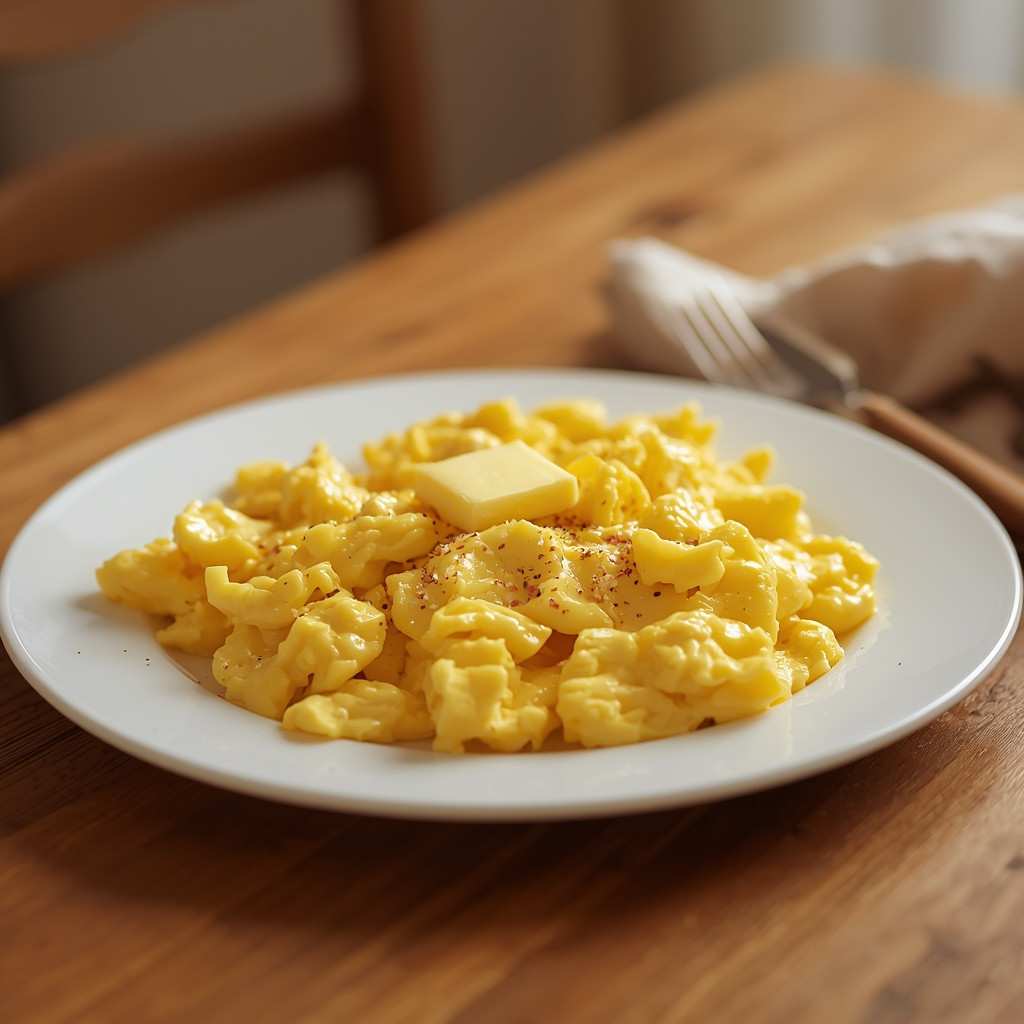
- Remove from heat while slightly creamy and serve immediately.
How to Serve
- Serve hot with buttered toast, bagels, or English muffins.
- Pair with fresh fruit, avocado, bacon, or sausage for a complete breakfast.
- Garnish with fresh herbs or shredded cheese for extra flavor.
Recipe Tips
- Cook on medium-low heat for tender, creamy eggs — high heat makes them rubbery.
- Remove eggs from the pan just before fully set to retain creaminess.
- Whisking eggs well introduces air, making them fluffier.
- Add cheese at the end for a melty, creamy addition.
- Use a non-stick skillet for easy cooking and cleanup.
Variations
- Cheesy Scramble: Add cheddar, mozzarella, or feta near the end of cooking.
- Herb Scramble: Mix in chives, parsley, or dill for fresh flavor.
- Veggie Scramble: Add sautéed mushrooms, spinach, or bell peppers.
- Spicy Version: Sprinkle red pepper flakes or hot sauce for a kick.
- Protein Boost: Add cooked bacon, sausage, or smoked salmon.
Freezing and Storage
- Refrigeration: Scrambled eggs can be stored in an airtight container for up to 2 days, though best served fresh.
- Freezing: Not recommended — eggs tend to become watery and rubbery after thawing.
Special Equipment Needed
- Non-stick skillet
- Spatula
- Whisk or fork
- Medium mixing bowl
Frequently Asked Questions (FAQ)
Q1: Can I use water instead of milk?
Yes, but milk makes the eggs creamier and richer.
Q2: How do I make eggs extra fluffy?
Whisk vigorously to incorporate air and cook over medium-low heat.
Q3: Can I add cheese?
Yes, add shredded cheese near the end for a creamy melt.
Q4: Can I prepare eggs ahead of time?
Scrambled eggs are best fresh; reheating can make them watery.
Q5: Can I cook eggs in butter only, without milk?
Yes, butter adds richness, but milk makes them softer and creamier.
Conclusion
Classic Scrambled Eggs with Milk and Butter is a simple, quick, and comforting breakfast that never goes out of style. The creamy, soft texture paired with a rich buttery flavor makes it a versatile dish that can be customized to suit any taste.
Perfect for weekdays, weekends, brunches, or even light dinners, this recipe is easy, reliable, and universally loved.
Classic Scrambled Eggs with Milk and Butter
Course: BreakfastCuisine: AmericanDifficulty: easy2
servings2
minutes6
minutes8
minutesIngredients
4 large eggs
¼ cup milk (whole or 2%)
2 tablespoons unsalted butter
Salt, to taste
Black pepper, to taste
Optional: fresh herbs (chives, parsley) or shredded cheese
Directions
- Step 1: Prepare the Eggs : Crack the eggs into a medium bowl. Add milk, a pinch of salt, and black pepper. Whisk until the mixture is smooth and slightly frothy.
- Step 2: Heat the Pan : Place a non-stick skillet over medium-low heat. Add butter and allow it to melt, coating the pan evenly.
- Step 3: Cook the Eggs : Pour the egg mixture into the skillet. Let it sit undisturbed for 20–30 seconds. Using a spatula, gently push eggs from the edges toward the center, forming soft curds. Continue to cook, stirring occasionally, until the eggs are mostly set but still slightly creamy. Remove from heat — they will continue to cook from residual heat.