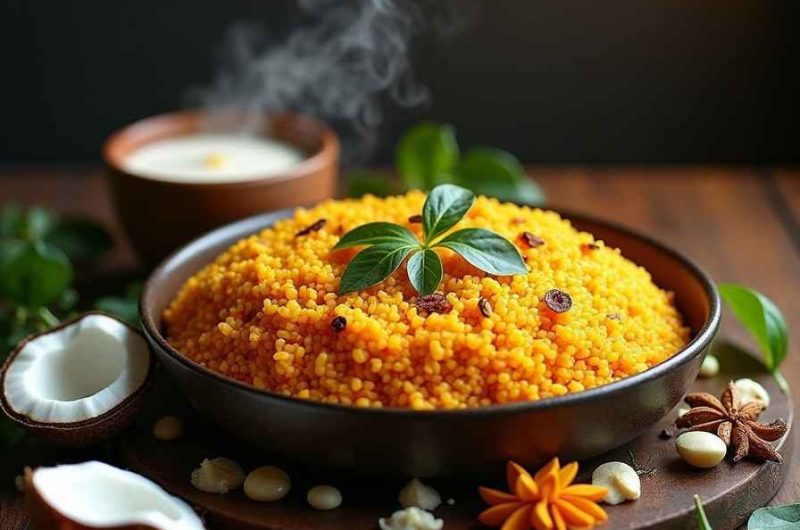
South Indian Pongal is a comforting, nourishing dish made with rice and split yellow moong dal, gently cooked until soft and creamy, then tempered with fragrant spices. Deeply rooted in South Indian tradition, Pongal is both a festive offering and an everyday comfort food.
It is especially associated with the harvest festival of Pongal, where it symbolizes abundance, gratitude, and simplicity. With its mild flavors, rich aroma of ghee, and soothing texture, this dish represents the heart of South Indian home cooking.
Why I Love This Recipe
I love this recipe because it is wholesome, warming, and incredibly satisfying. Pongal is easy to digest, naturally comforting, and perfect for any time of the day. The balance of soft rice and lentils with pepper, cumin, ginger, and ghee creates a dish that feels both nourishing and indulgent without being heavy.
Why This Is a Must-Try Dish
This is a must-try dish because it showcases how simple ingredients can create extraordinary flavor. Pongal is versatile, beginner-friendly, and deeply rooted in Indian culinary culture. Whether you are exploring South Indian cuisine or looking for a healthy comfort meal, Pongal is a timeless classic worth experiencing.
Recipe Overview
Preparation Time: 10 minutes
Cooking Time: 25 minutes
Total Time: 35 minutes
Servings: 4
Calories (Approx.): 320 per serving
Course: Breakfast or Main Course
Cuisine: South Indian
Ingredients
For Pongal
- ½ cup raw rice
- ¼ cup split yellow moong dal
- 3½ cups water
- 1 teaspoon salt, or to taste
For Tempering
- 2 tablespoons ghee
- 1 teaspoon cumin seeds
- 1 teaspoon whole black peppercorns, lightly crushed
- 1 tablespoon fresh ginger, finely chopped
- 10–12 curry leaves
- 10–12 cashew nuts, halved
- 1 pinch asafoetida
Cooking Directions
Cook Rice and Dal
Rice and lentils are cooked together until soft and mushy.
Prepare Tempering
Ghee is heated with spices, ginger, curry leaves, and cashews.
Combine and Finish
Tempering is mixed into the cooked rice and dal for final flavor.
Step-by-Step Preparation Method
Step 1: Rinse the Rice and Dal
Wash rice and moong dal together under running water until the water runs clear.
Step 2: Cook Rice and Dal
Add rinsed rice and dal to a pressure cooker or pot with water and salt. Cook until completely soft and porridge-like.
Step 3: Mash Lightly
Gently mash the cooked mixture to achieve a creamy consistency.
Step 4: Prepare the Tempering
Heat ghee in a small pan. Add cumin seeds and crushed peppercorns. Let them splutter.
Step 5: Add Aromatics
Add ginger, curry leaves, cashews, and asafoetida. Sauté until cashews turn golden.
Step 6: Combine
Pour the hot tempering over the cooked rice and dal. Mix well.
Step 7: Adjust Consistency
Add hot water if needed to achieve a soft, flowing texture.
How to Serve This Recipe
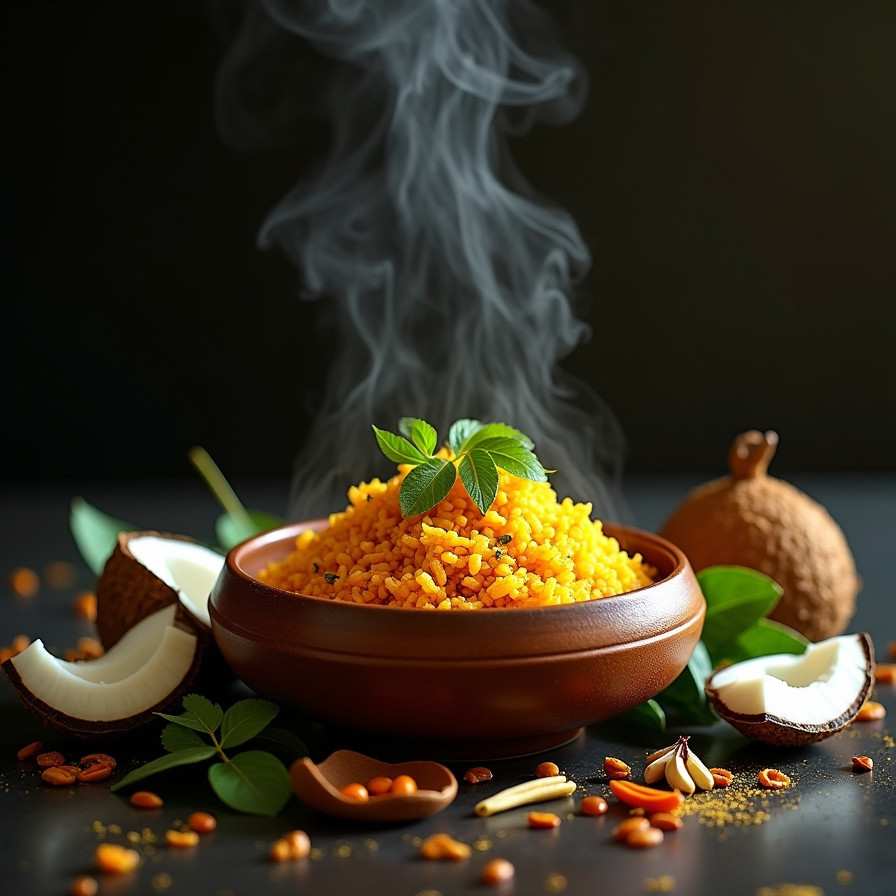
Serve Pongal hot with coconut chutney, sambar, or a drizzle of extra ghee. It pairs beautifully with tangy accompaniments that balance its mild flavor.
Recipe Tips
- Use short-grain rice for authentic texture.
- Do not over-roast the dal; light roasting is sufficient.
- Pongal thickens as it cools, so keep it slightly loose.
- Freshly crushed pepper enhances flavor.
- Ghee is essential for authentic taste.
Variations
Ven Pongal with Vegetables
Add carrots, peas, or beans for extra nutrition.
Millet Pongal
Replace rice with foxtail millet or little millet for a healthier version.
Pepper-Heavy Pongal
Increase black pepper for a spicier, warming dish.
Vegan Pongal
Replace ghee with coconut oil for a plant-based option.
Temple-Style Pongal
Add edible camphor and extra ghee for traditional flavor.
Freezing and Storage
Refrigeration: Store in an airtight container for up to 2 days.
Freezing: Not recommended, as texture changes upon thawing.
Reheating: Reheat gently with water or milk, stirring well.
Special Equipment Needed
- Pressure cooker or heavy-bottomed pot
- Small tempering pan
- Mixing spoon
Frequently Asked Questions
Is Pongal healthy?
Yes, it is rich in protein, easy to digest, and naturally balanced.
Can I make Pongal without ghee?
Yes, but ghee provides authentic flavor.
Why is my Pongal dry?
Add more hot water and mix well while reheating.
Can I use brown rice?
Yes, but cooking time will increase.
Is Pongal spicy?
No, it is mildly flavored and soothing.
Conclusion
South Indian Pongal is a humble yet deeply satisfying dish that brings comfort, tradition, and nourishment to the table. With its creamy texture, aromatic tempering, and gentle flavors, it is perfect for breakfast, lunch, or a light dinner. Easy to prepare and endlessly comforting, Pongal is a dish that truly represents the soul of South Indian cuisine.
South Indian Pongal (Savory Rice and Lentil Dish)
Course: BreakfastDifficulty: Easy4
servings10
minutes25
minutes35
minutesIngredients
For Pongal
½ cup raw rice
¼ cup split yellow moong dal
3½ cups water
1 teaspoon salt, or to taste
For Tempering
2 tablespoons ghee
1 teaspoon cumin seeds
1 teaspoon whole black peppercorns, lightly crushed
1 tablespoon fresh ginger, finely chopped
10–12 curry leaves
10–12 cashew nuts, halved
1 pinch asafoetida
Directions
- Step 1: Rinse the Rice and Dal : Wash rice and moong dal together under running water until the water runs clear.
- Step 2: Cook Rice and Dal : Add rinsed rice and dal to a pressure cooker or pot with water and salt. Cook until completely soft and porridge-like.
- Step 3: Mash Lightly : Gently mash the cooked mixture to achieve a creamy consistency.
- Step 4: Prepare the Tempering : Heat ghee in a small pan. Add cumin seeds and crushed peppercorns. Let them splutter.
- Step 5: Add Aromatics : Add ginger, curry leaves, cashews, and asafoetida. Sauté until cashews turn golden.
- Step 6: Combine : Pour the hot tempering over the cooked rice and dal. Mix well.
- Step 7: Adjust Consistency : Add hot water if needed to achieve a soft, flowing texture.